Interview by Rose Kobusinge,iNovaland Public Relations
I spoke with Moro Seidu and Andrews Assante to understand how community participation has evolved in iNovaland’s Atebubu and Wiase Forest Landscape Restoration Project over the past year. Both Moro and Asante spend most of their time in the field, moving between farms, community meetings, trainings, and monitoring visits, and their reflections were grounded in what they see every day.

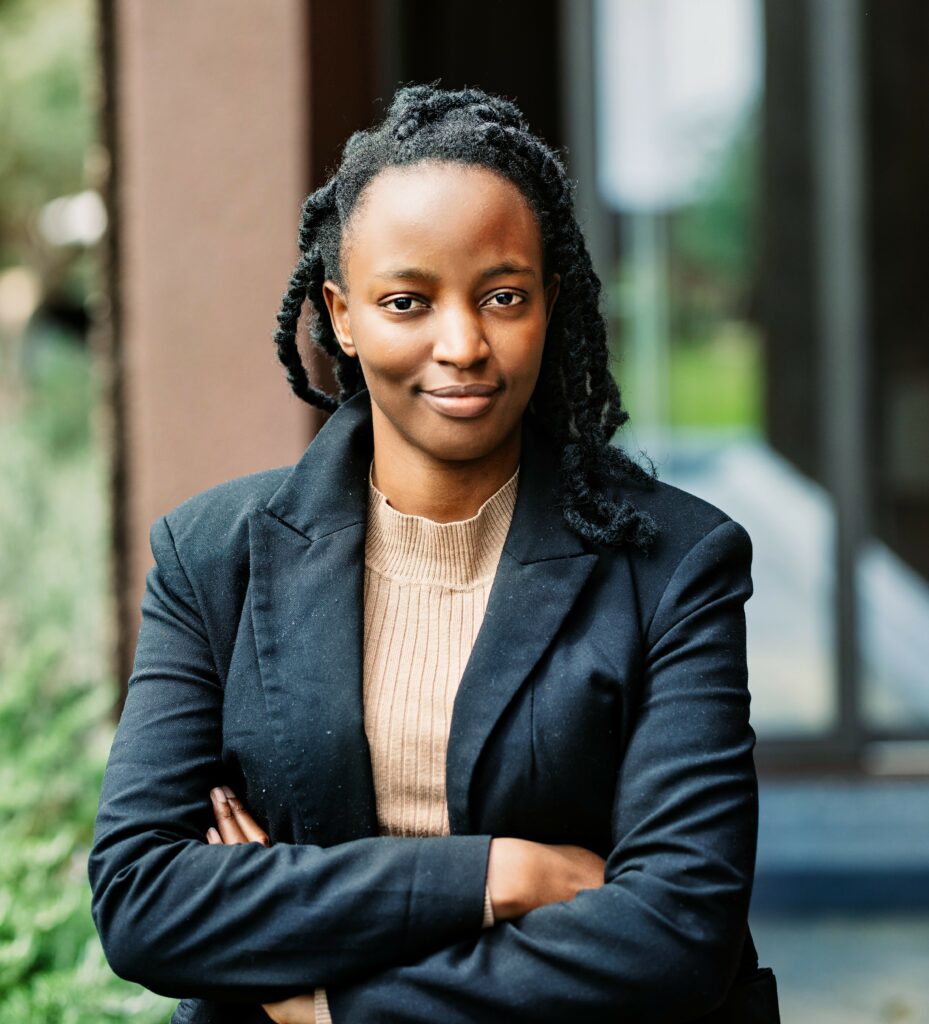
Who is Moro?
He is a Field Officer in iNovaland’s Atebubu Forest Landscape Restoration Project; a Circular Bioeconomy Alliance’s ten-year “Living Lab” restoring degraded landscapes while building community resilience in Ghana.
His work focuses largely on community engagement, coordinating farmers, and providing technical support in agroforestry and biodiversity.
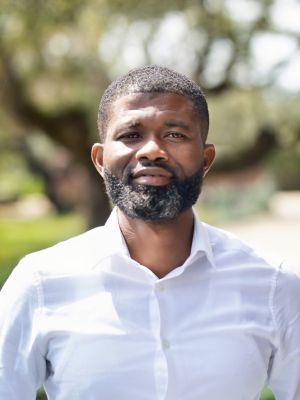
Who is Asante?

He is the GIS and Data Officer in the project, responsible for documenting activities, tracking outcomes, and supporting monitoring and learning across the landscape.
When I asked Moro to reflect on 2025, he went straight to one moment he is proud of: “What I am most proud of is seeing farmers come back!” To me, this felt abstract until he explained this: Earlier in 2025, some farmers that had previously adopted agroforestry practices had stepped away from their farms. This was not because they had lost interest in the project, but because of repeated bushfires, cattle destruction, and weather challenges had made their efforts feel futile and fragile. Trees had been planted, gaps filled and then lost more than once after all the effort.
“They were discouraged and when that happens, we had to listen”, Moro asserted.
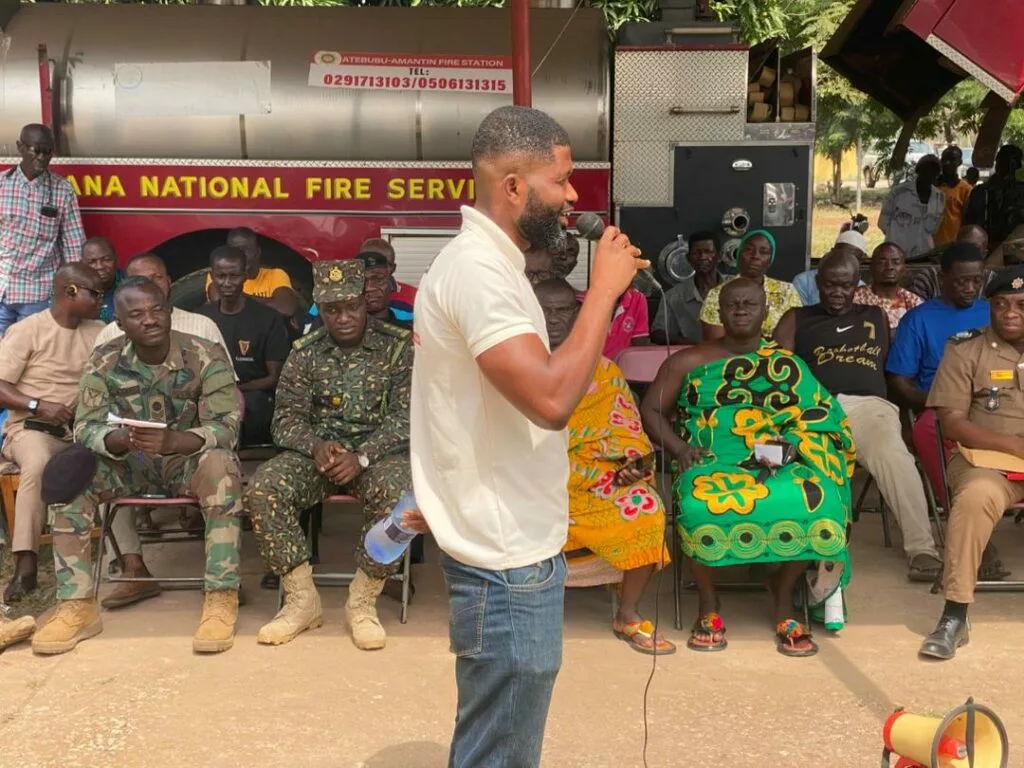
In response, the project intensified community engagement rather than just pushing for more planting. Meetings were held not only with farmers, but also with herdsmen, traditional leaders, and government institutions. These conversations focused on understanding what was happening on the ground and what needed to change.
For Moro, the result was clear. Farmers voluntarily began returning to meetings and to the nurseries to collect seedlings. Over time, participation stabilised again.
Asante reflected on the same period from a sustainability perspective. “We didn’t want agroforestry with farmers to remain project-driven, we are always thinking about what would last”, he said.
That thinking shaped how community engagement is organised across the project today. Asante explained that there are several layers in enabling effective community engagement and working together. At the centre is the Multi-Stakeholder Platform meetings, which are held every three months and bring together lead farmers and women, traditional authorities, assembly members, and relevant government institutions to discuss project activities and problems. These meetings are not treated as one-off events.
If something doesn’t work, it comes back in the next meeting until we find a solution. We don’t close issues too quickly”, he said.
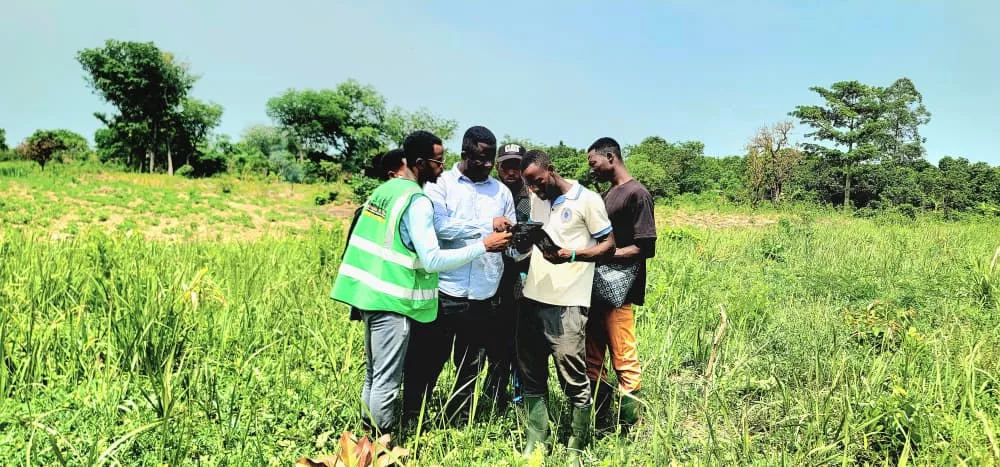
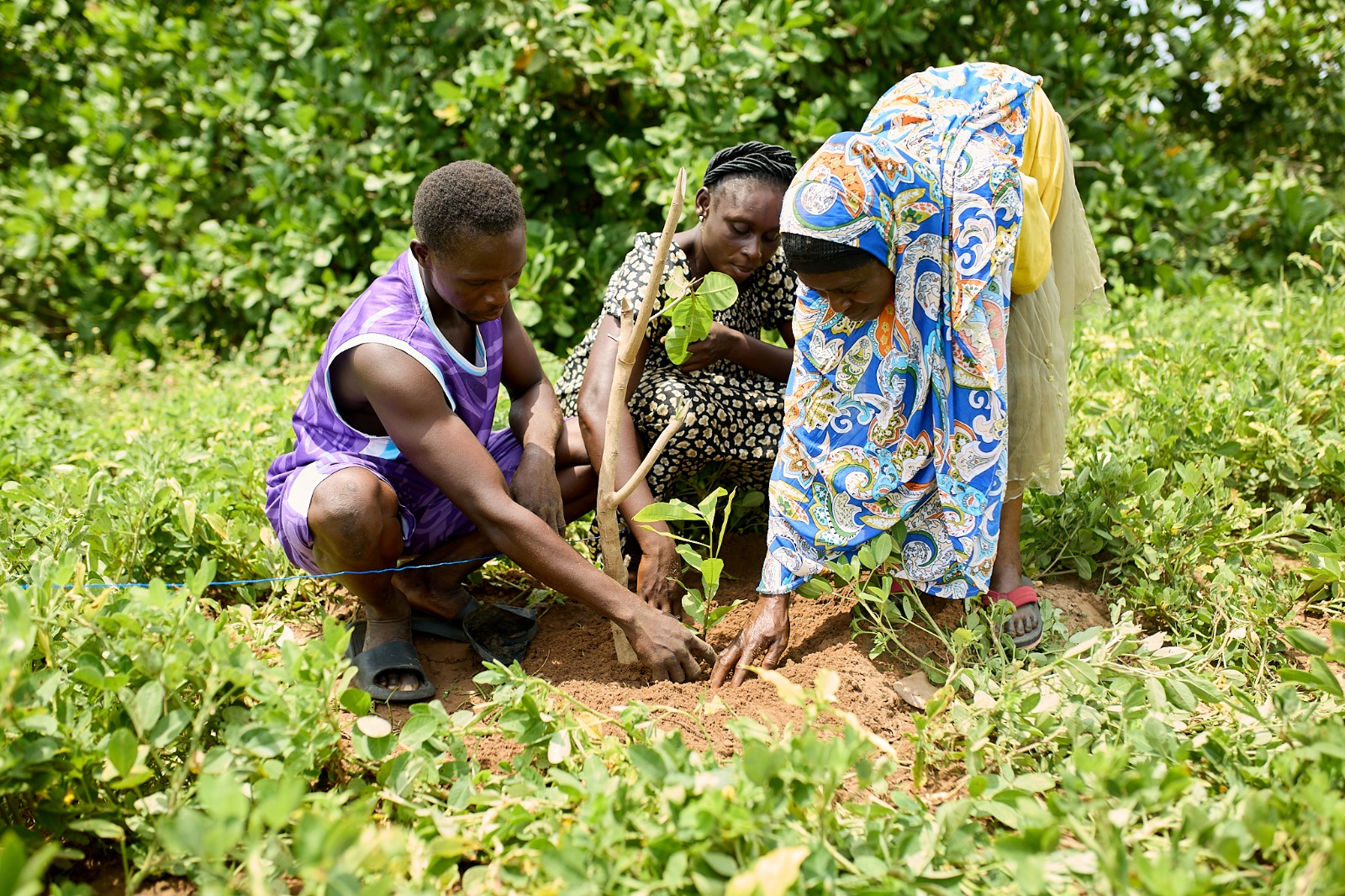
At the community level, lead farmers act as anchors, supporting farmer-to-farmer learning and day-to-day coordination. Technical assistants, many of whom were initially lead farmers themselves, now support mapping, documentation, and follow-up. During planting seasons, youth teams are mobilised to support vulnerable farmers that are committed to agroforestry but lack capacity, including women, elderly farmers, and persons with disabilities.
The scale of this engagement is significant. The project is now working with more than 3,000 farmers across the landscape, and around 37% of them are women. Participation at this scale, Moro explained, requires structure, trust, and constant adjustment.
Women’s participation was one area where those adjustments were especially important. Moro explained that early MSP structures were largely male, not by intention, but because they mirrored existing authority roles. Over time, the project required that at least one woman from each community be represented at the MSP. Meetings were decentralised so they were not always held in Atebubu, and training times and venues were adjusted.
Asante gave a practical example.
“In some cases, we moved sessions closer to markets during market days and that is where youfind many women,” he said. “That made a big difference.”
As participation structures shifted, women’s presence and confidence increased.
Youth involvement took a different form. Youth teams were introduced as a pilot during the recent planting seasons, with 50 youth across 10 communities supporting vulnerable farmers to handle the initial high labour demanding tasks and planting the trees. Through this approach, over 180 additional hectares have been planted, supporting 140 farmers.
When I asked about the sustainability of this approach, Asante was clear that this was a concern they discussed openly.
“Tree Planting is like giving birth,” he said. “The doctor helps at the beginning. After that, it’s not yours. The parents feed, care and nurture it but with support from the expert as needed.”


Youth support focused on establishing strong foundations. Responsibility for care remained with farmers, and often the labour needed reduces after the planting. For farmers who planted at the beginning of the project, they are already enjoying harvests and improved yield so the income generated can be used in caring for the trees. This balance, he explained, was essential for long-term ownership.
Farmer-to-farmer learning has also strengthened. Asante described seeing farmers share practical techniques during monitoring visits, from protecting seedlings against rodents to managing water during dry periods. Learning increasingly moves sideways, not only through formal training.
Fire prevention emerged as a major focus through these same community conversations. Moro explained that bushfires are the biggest threat to restored landscapes, and that communities themselves raised the need for stronger prevention and management.
Fire volunteers were selected in each community and trained through refresher sessions. Asante described their role in creating fire belts, responding during fire season, and supporting farmers with prevention measures. Both emphasised the importance of institutional involvement.
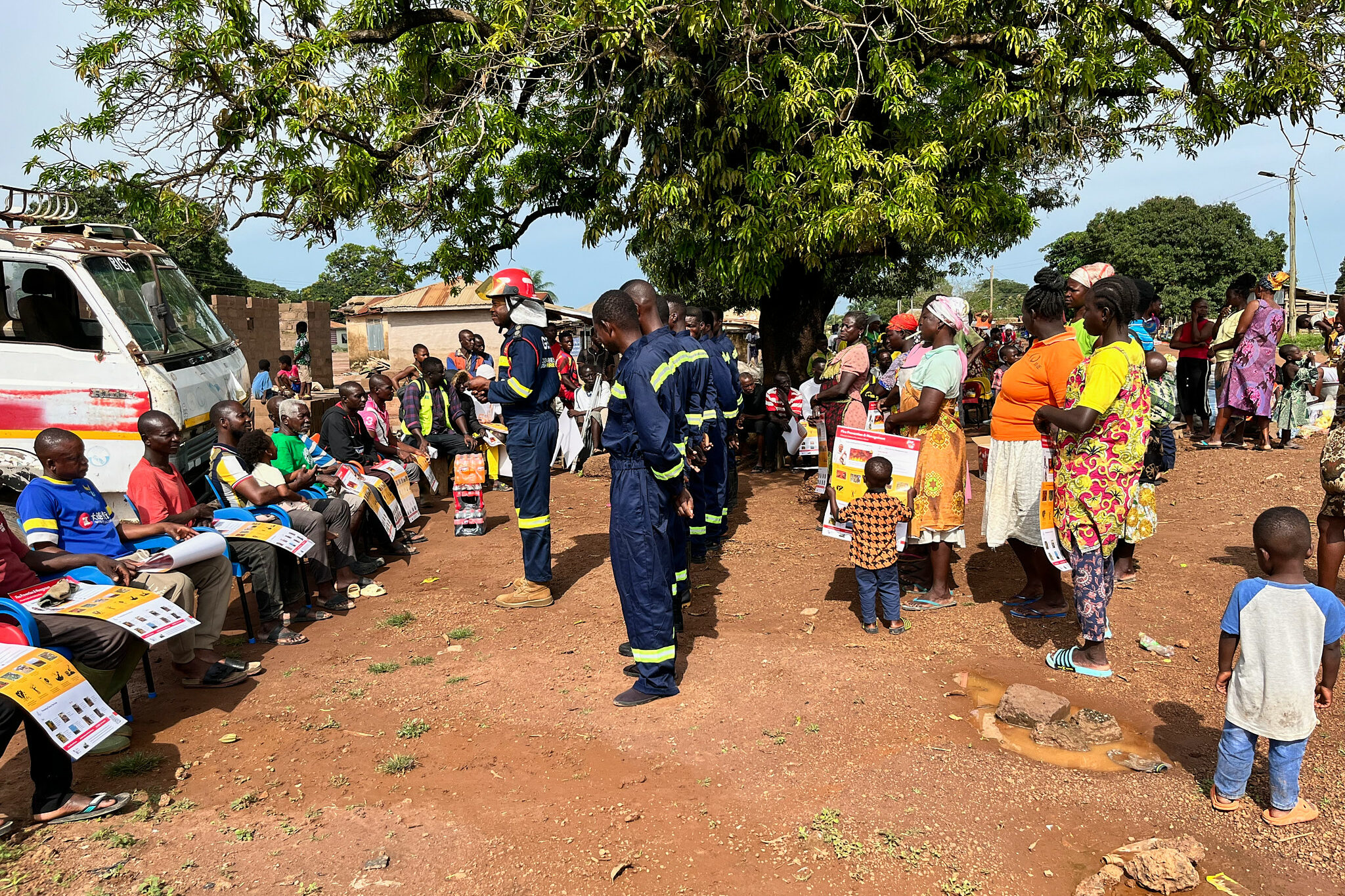
“We make sure the Ghana National Fire Service and other institutions are present, so communities understand the law, enforcement, and reporting procedures”, Moro said.
Traditional authority also became critical. Moro explained that meetings with traditional leaders led to the development of a local bylaw on cattle management. Plans are now in place to work with the Omanhene and the Dwan Traditional Council, alongside project partners, to support propagation and enforcement of that bylaw.
Beyond organised activities, both Moro and Asante described small but important changes in daily habits. Farmers are preparing fire belts earlier without being told or reminded. Communities are sharing warnings more actively. Fire prevention is increasingly part of everyday conversation, not just a seasonal concern.
As we spoke about the future, both were optimistic. In 2026, the focus is on building on what is already working: maintaining the youth team pilot, running additional local MSP meetings each quarter to improve accessibility and women’s attendance, conducting targeted monitoring visits to re-engage farmers who abandoned planted farms, and strengthening collaboration with institutions on fire prevention.
Their message to partners and collaborators was straightforward. Support is translating into real, grounded change. Asante described the shift he sees clearly as a move from project-driven activities to community-driven stewardship.
For Moro, everything comes back to trust:
“Without trust, you can’t do long-term restoration, and trust is built by staying, being transparent and consistent.”
In Atebubu and Wiase, while tree planting continues, it is no longer experienced only as a project activity. Farmers increasingly view as a community and household investment, by the people who live with the land and are shaping its future.
As the interviewer, walking away from this conversation, I was reminded that restoration is as much about people and livelihoods as it is about trees. iNovaland and partners couldn’t be prouder of Restoring Landscapes for People and Nature.